Picture this: you walk into your Garland home after a sweltering day, and the moment you close the front door a wave of crisp, perfectly balanced air greets you. No sweat, no stale smells—just the kind of comfort that makes you wonder why you ever put up with a finicky system.
That feeling isn’t a lucky accident; it’s the result of a disciplined HVAC maintenance routine that keeps your HVAC humming like a well‑tuned engine. In a town where summer heat can feel like a furnace and winter chills sneak in through every crack, skipping a check‑up is a shortcut to costly breakdowns and sky‑high bills.
What if you could walk away from the guesswork with a step‑by‑step checklist that covers every critical task, from filter swaps to coil inspections? Grab a coffee, keep reading, and you’ll have the exact game plan you need to keep your system in peak shape all year long.
Understanding Garland’s Climate Impact on Your HVAC System
Garland sits in the middle of North Texas, where summer temperatures regularly hit the high 90s and humidity spikes like a pressure cooker. That relentless heat forces your air conditioner to work overtime, which means wear‑and‑tear shows up faster than in milder zones. When the system is constantly battling heat, even a tiny clogged coil can turn a modest load into a full‑blown crisis.
Winter’s hidden strain
When December rolls around, the temperature swing can be brutal—down to the 30s at night. Your furnace suddenly becomes the star, and the same ductwork that delivered cool air now pushes warm air through cold cracks. Cold air leaks force the blower to spin harder, draining energy and shortening the life of motor bearings. A quick seal check before the first frost can save you from a costly emergency repair.
- Hot, humid summers → higher compressor stress
- Sharp winter drops → furnace overload
- Rapid temperature swings → expanded/contracted duct seams
Because Garland’s climate is a roller coaster, the best defense is a proactive mindset. Treat each season as a checkpoint, not an afterthought, and you’ll keep the system humming while the bills stay in check.
Seasonal Maintenance Timeline: Spring, Summer, Fall, and Winter Tasks
Garland’s weather swings aren’t just a backdrop—they’re the trigger for specific HVAC chores. Follow the calendar, and you’ll dodge the surprise breakdowns that cost time and money.
Spring
After the chill fades, it’s time to wake the system up. Give it a quick once‑over before the heat ramps up.
- Swap out the old filter for a fresh high‑MERV model.
- Inspect the outdoor condenser for debris; a garden rake works wonders.
- Run the fan on “auto” for a few minutes each day to dry the coils.
Summer
The furnace is on vacation, but the AC works overtime. Keep it cool and efficient.
- Check refrigerant lines for frost; any ice means a leak.
- Clean the evaporator coil with a soft brush; don’t spray water directly.
- Program the thermostat for a “away” schedule when you’re not home.
Fall
When the heat starts to creep in, flip the script. Prepare for the colder months before they hit.
- Turn off the outdoor fan and cover the unit to keep leaves out.
- Test the heat pump’s reversing valve; it should click into “heat” mode.
- Schedule a professional inspection of the furnace burners.
Winter
Freezing temps can freeze up the whole system if you’re not careful. A few simple steps keep the house warm.
- Replace the filter with a thicker one to catch more dust.
- Check the condensate drain for clogs; a frozen line can cause water damage.
- Set the thermostat no lower than 68°F; the system runs smoother.
Monthly & Quarterly DIY Checks: Filters, Thermostats, and Airflow
Filter Swap – The 5‑Minute Miracle
Every month, pull the front grille, snap out the old filter, and slide in a fresh one. Clean air = lower energy use, and you’ll hear the system sigh with relief.
Pick the right filter for your home:
- Fiberglass – cheap, good for short‑term use.
- Pleated – catches dust, pollen, and pet dander.
- HEPA – the heavyweight champ for allergy sufferers.
Thermostat Tuning – Keep the Brain Sharp
Quarterly, give your thermostat a quick sanity check. Make sure it’s set to “Auto” for heating and cooling, not “On,” which forces the fan to run nonstop.
If you’ve upgraded to a smart unit, verify the Wi‑Fi connection and run a test schedule. A mis‑aligned program can waste dollars faster than a leaky faucet.
Airflow Audit – Feel the Breeze
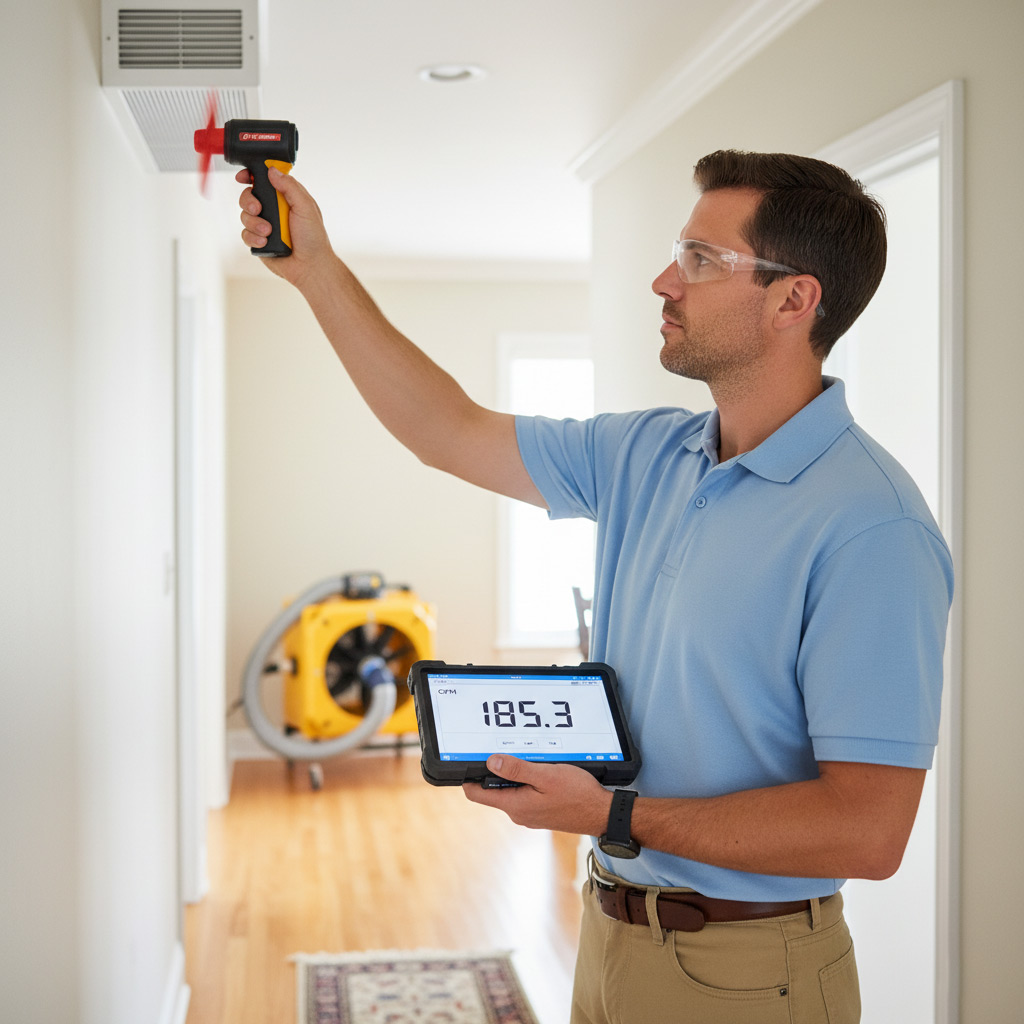
Every three months, stand in each room and take a quick breath. If the air feels weak or you hear a whistling noise, something’s blocking the flow.
Run through this short list:
- Check registers – make sure they’re fully open.
- Inspect duct grilles for dust buildup.
- Listen for rattling; it often means a loose panel.
Fixing a simple register can add a noticeable boost to comfort without calling a tech.
In‑Depth Inspection & Cleaning: Coils, Condensate Drain, and Ductwork
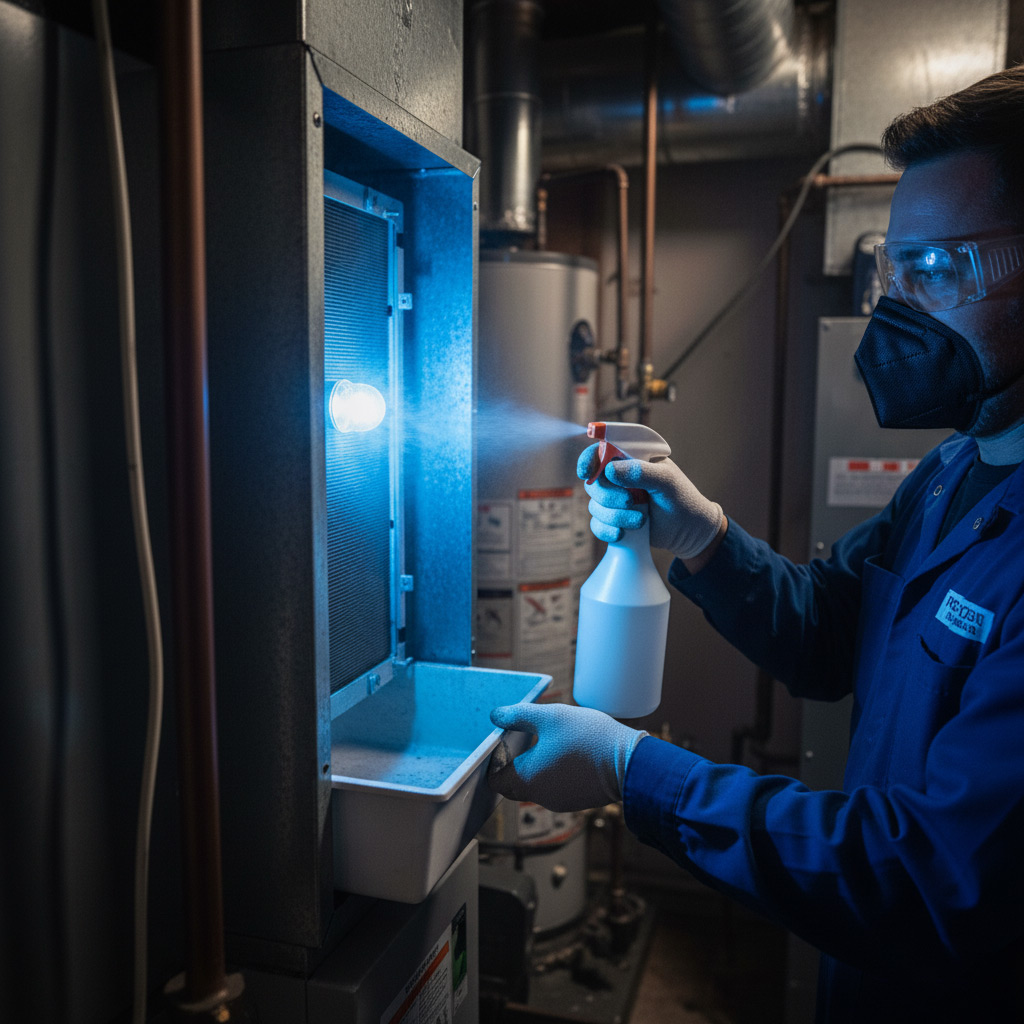
Evaporator & Condenser Coils
When the coils get dirty, your system works harder than a marathon runner on a hill. Spot‑check the fins for bent or clogged sections before you even think about turning the thermostat up.
- Turn off power and remove the access panel.
- Use a soft brush or a coil‑clean spray to loosen grime.
- Rinse gently with low‑pressure water; avoid high‑pressure jets that can bend the fins.
- Re‑assemble, restore power, and listen for a smoother startup.
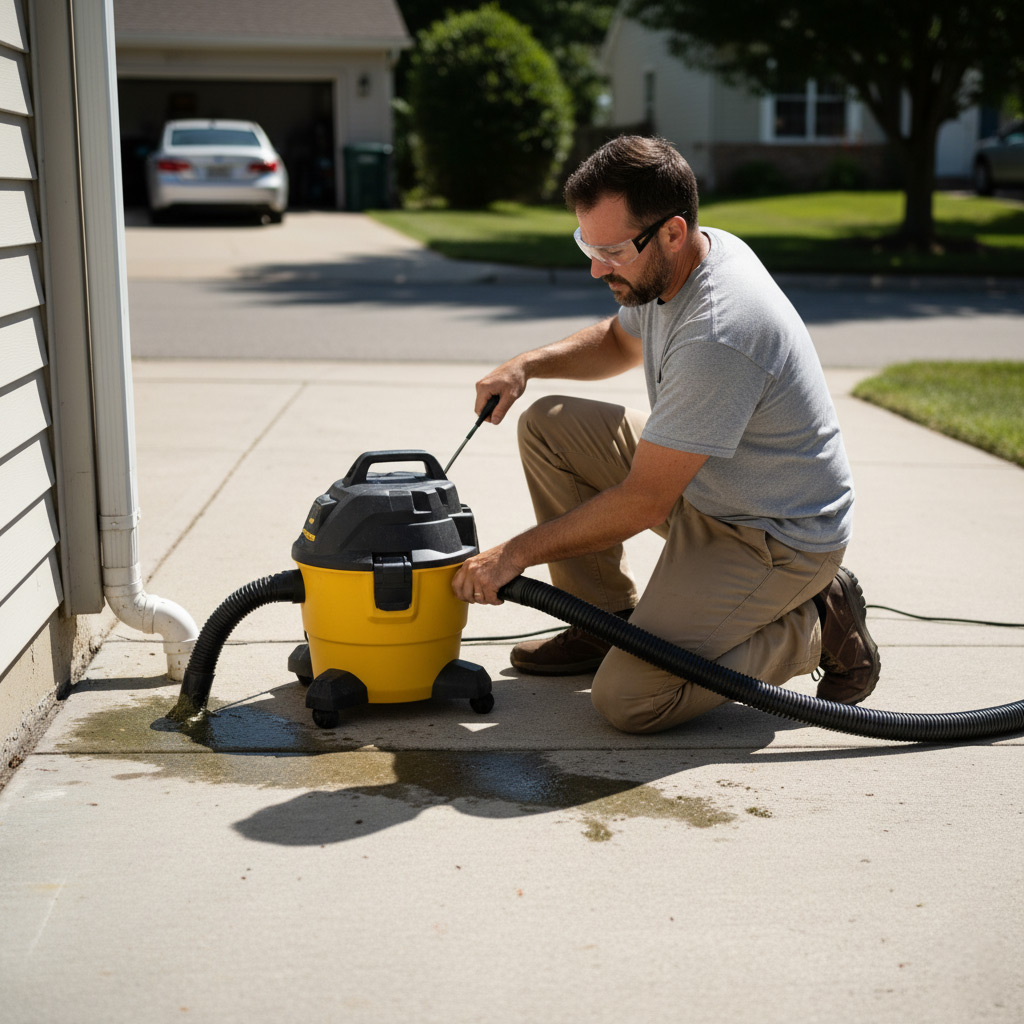
Condensate Drain Line
A clogged drain is the silent assassin that can flood your basement or trigger a freeze‑up. Inspect the line every season—the cost of a quick clean beats a water‑damage bill any day.
- Locate the drain pan and look for standing water or algae.
- Pour a cup of distilled white vinegar down the line; let it sit 30 minutes.
- Flush with a garden hose or use a wet/dry vacuum to pull out debris.
- Check the exit point outside; make sure it’s not blocked by leaves.
Ductwork Health Check
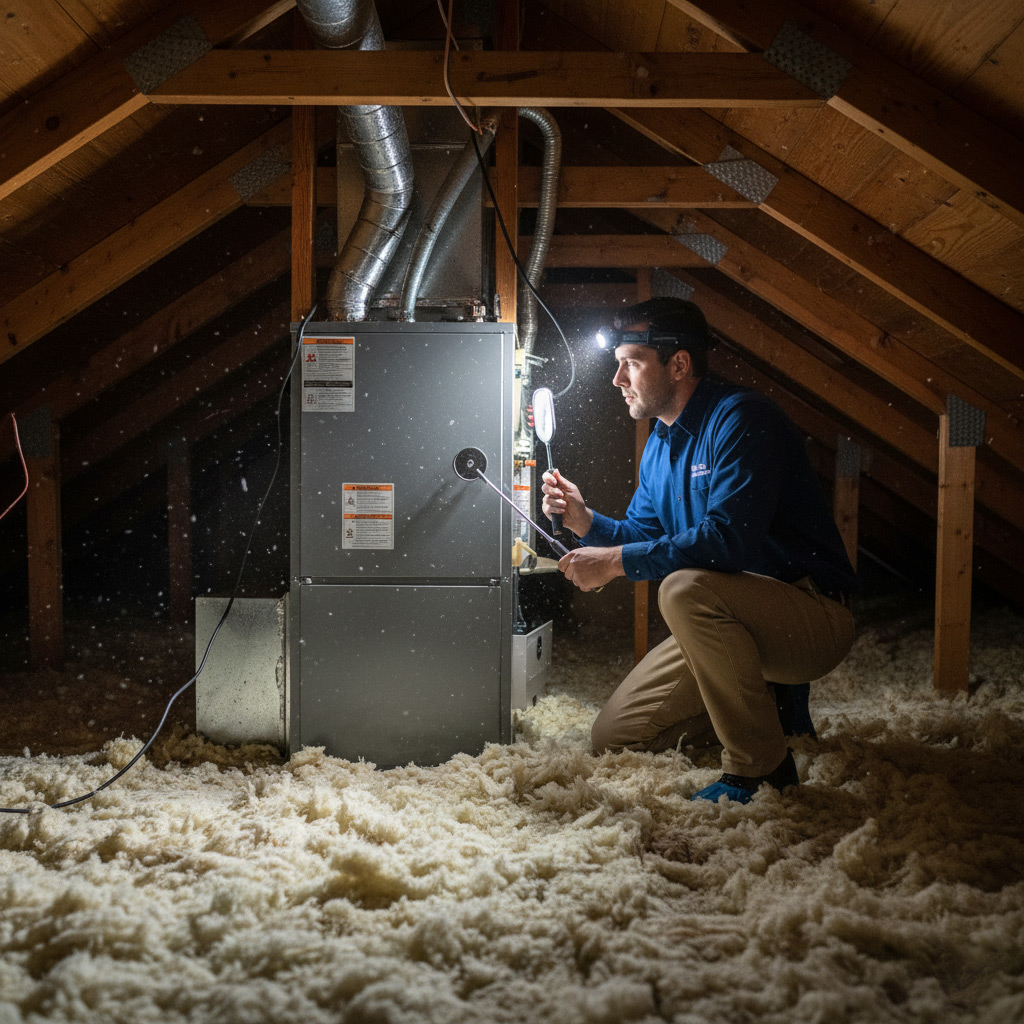
Leaky ducts are like a hole in your wallet—air escapes, bills rise, comfort drops. Give the whole network a once‑over at least twice a year to keep the flow tight.
- Walk the visible runs; feel for drafts or cold spots.
- Seal gaps with mastic or UL‑rated foil tape, not the cheap duct tape.
- Inspect registers and grilles for dust buildup; vacuum them clean.
- If you spot heavy dust or mold, schedule a professional duct cleaning.
When to Call a Pro: Service Signs, Warranty Considerations, and Safety Checks
Red Flags That Mean It’s Time for a Pro
Even a well‑tuned system throws a tantrum when something’s off. If you hear rattling, feel uneven temperatures, or notice a spike in your electric bill, stop guessing and call a technician.
Other tell‑tale signs include:
- Foul odors – mold, burning, or chemical smells are never normal.
- Frequent short‑cycling – the unit turns on and off too quickly.
- Unresponsive thermostat – you can’t set the temperature or it glitches.
Don’t Void Your Warranty
Most manufacturers require annual professional inspections to keep the warranty intact. Skipping that service can turn a covered repair into an out‑of‑pocket nightmare.
Keep these points in mind:
- Document every service visit – a simple receipt is your proof.
- Use only approved parts – aftermarket pieces can void coverage.
- Follow the service schedule in the owner’s manual – it’s not a suggestion.
Safety First: When DIY Isn’t Enough
Some tasks are fine for a weekend warrior, but others demand a licensed pro. Gas leaks, electrical faults, and refrigerant handling are not DIY territory.
Watch for these safety triggers:
- Any smell of gas – shut off the system and call a pro immediately.
- Flickering lights or tripped breakers when the HVAC runs.
- Water pooling around the unit – could be a condensate overflow or a cracked drain line.
Case Study: Restoring Peak Efficiency for a Garland Home After a Summer Breakdown
The Situation
When the Johnson family called, their 3‑ton central air unit had quit mid‑July, and the house felt like a sauna. They’d already cranked the thermostat to 68°F and still sweated. The culprit? A clogged evaporator coil and a failing blower motor.
The Diagnosis
Our tech walked through a quick visual and a few measurements, then flagged the top problems:
- Evaporator coil: heavy dust buildup, reducing heat exchange by roughly 30%.
- Blower motor: worn bearings causing intermittent shut‑offs.
- Refrigerant line: a tiny leak that had been losing pressure for weeks.
The Fix & Results
We tackled each issue with a focused plan, keeping the Johnsons in the loop.
- Cleaned the coil with a professional-grade foam, restoring airflow.
- Replaced the blower motor and calibrated the fan speed for optimal circulation.
- Recharged the system with the correct refrigerant charge and sealed the leak.
Within 48 hours the home was back to a comfortable 72°F, and the energy bill for August dropped 22% compared to the previous year. The Johnsons now schedule quarterly check‑ups to avoid another surprise.
Final Words
Keeping your HVAC in top shape isn’t a one‑time event; it’s a habit you build. Treat the checklist like a playbook, and you’ll dodge the nasty surprises that make wallets weep. When you stick to the schedule, you’ll notice lower bills, steadier temps, and a system that actually lasts.
Quick Wins to Keep on Your Radar
- Mark your calendar for the seasonal deep‑clean dates.
- Swap filters every 30‑60 days—don’t wait for the dust to settle.
- Run the fan on “auto” instead of “on” to save energy.
When the job feels bigger than a weekend project, call the pros.
Stay Ahead of the Curve
Set a reminder on your phone, write it on the fridge, whatever works. The habit of checking the thermostat, listening for odd noises, and noting any drop in airflow will become second nature. Before you know it, you’ll be the homeowner who never worries about the next heat wave or cold snap.
People Also Ask
How often should I replace my HVAC filter in Garland, TX?
Replace the filter every 1‑3 months, depending on usage and filter type. In dusty Garland neighborhoods or homes with pets, a monthly change is recommended for optimal airflow.What are the signs that my air conditioner needs professional service?
Look for reduced cooling, strange noises, foul odors, or frequent short‑cycling. If the unit’s energy bills spike or the thermostat shows error codes, call a licensed HVAC technician.Can I clean my HVAC coils myself, or should I hire a pro?
Light coil cleaning with a soft brush and vacuum can be done quarterly, but deep cleaning requires specialized tools and chemicals. Hiring a professional ensures thorough removal of buildup and protects warranty coverage.Why is condensate drain maintenance important in Garland’s humid climate?
A clogged drain can cause water damage, mold growth, and system shutdowns during humid summer months. Regular flushing with a vinegar solution prevents blockages and maintains indoor air quality.What seasonal tasks should I prioritize before the Texas summer heat?
Before summer, inspect and clean the outdoor condenser, check refrigerant levels, and verify thermostat calibration. Also, ensure all duct seals are intact to maximize cooling efficiency.
Garland HVAC brings over 15 years of residential and commercial climate‑control expertise to the Garland community. Their certified technicians specialize in efficient heating, cooling, and indoor‑air‑quality solutions tailored to local homes and businesses. Committed to reliable service, they prioritize prompt response and personalized care for every client.
Need HVAC?
We deliver rapid, reliable solutions to homes and businesses in Garland, TX (75040‑75044) and neighboring areas, ensuring results are completed on schedule.
Request a fast quote