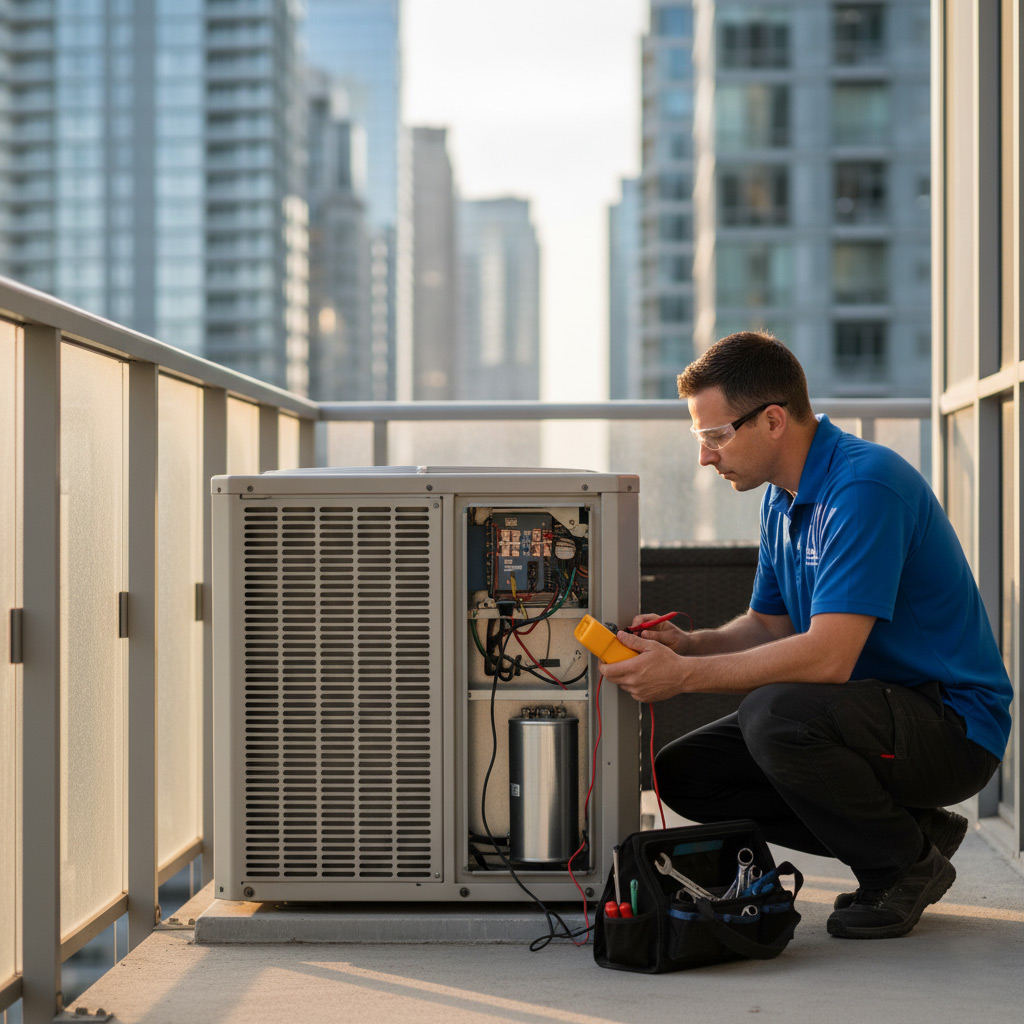
Imagine waking up to a sudden hiss from your boiler, the kind that makes the whole house shiver. In Garland, where winters can bite, that noise isn’t just annoying—it’s a warning sign that your comfort is on the line.
Most homeowners wait until the heat drops or the water stops flowing, but every hour you delay adds cost and stress. The good news? Knowing the exact moves to make can shave days off the repair timeline and keep your wallet from taking a hit.
In the next few minutes you’ll discover the shortcuts the pros use, the red‑flags you can spot yourself, and the local resources that get you back to cozy faster. Keep reading and turn that boiler nightmare into a quick fix.
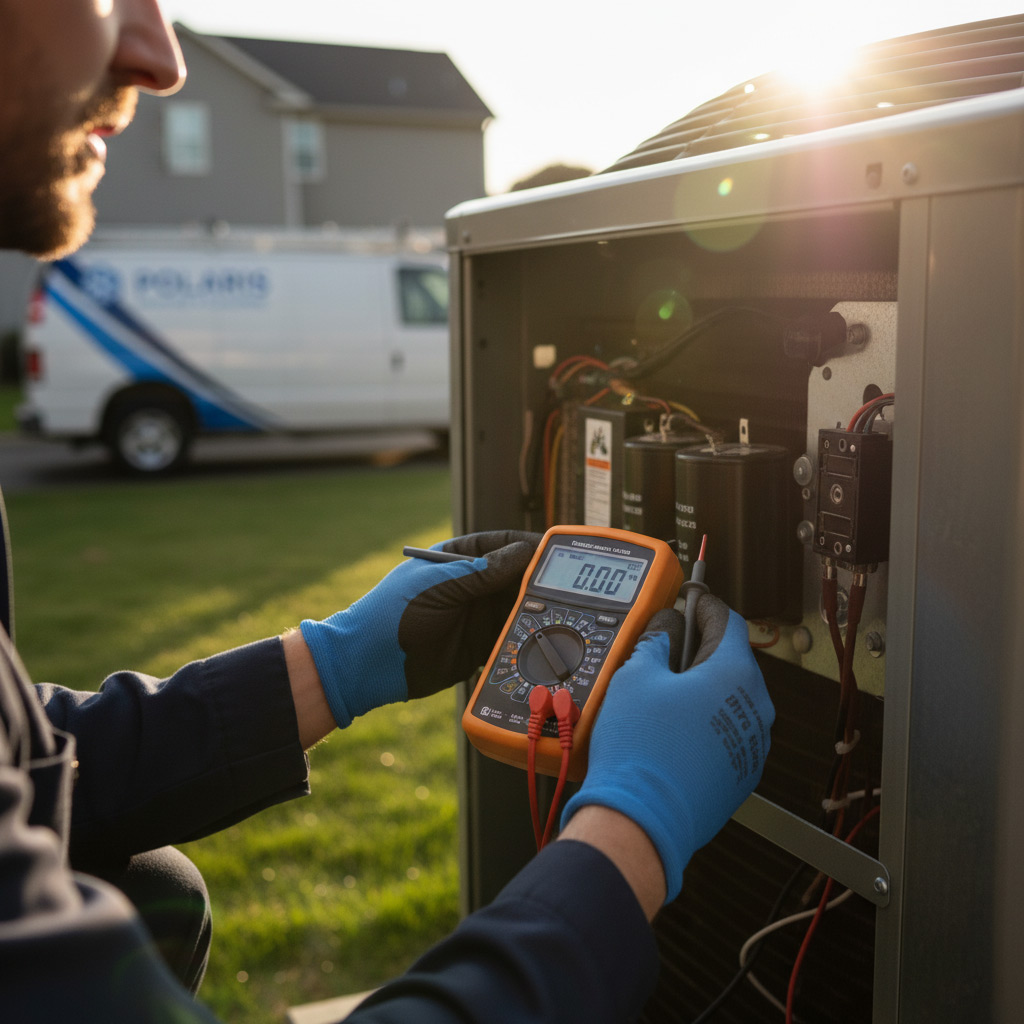
Common Boiler Problems in Garland, TX and Their Root Causes
Garland homeowners often run into the same trio of boiler headaches: no heat when you need it, strange noises that sound like a kettle about to boil over, and mysterious water leaks. These issues don’t just make you uncomfortable; they can snowball into expensive repairs if you ignore them. The good news is that most of the culprits are predictable and can be spotted early.
Typical Symptoms You’ll Notice
- Cold rooms while the thermostat reads warm.
- Hissing, banging, or whistling sounds from the unit.
- Low water pressure gauge or frequent pressure drops.
- Visible moisture around the boiler or on the floor.
- Pilot light that won’t stay lit or keeps flickering.
Each of these signs points to a specific failure point, and catching them early saves you from a full‑blown shutdown. When you hear that hiss, think “check pressure” before you think “call a plumber.”
Why They Happen
- Accumulated sediment from hard water erodes heat exchangers.
- Worn‑out seals or gaskets let water escape.
- Faulty thermostat or pressure valve misreads the system.
- Improper gas line pressure or clogged burners.
- Age‑related wear on pumps and circulators.
Garland’s climate swings—hot summers, chilly winters—push boilers harder than in milder zones. Hard water deposits are especially aggressive, turning a healthy unit into a ticking time bomb. Knowing the root cause lets you target the fix, not just the symptom.
Red‑Flag Symptoms Homeowners Can Identify Before a Full Breakdown
Listen to the Boiler
Even a casual ear can catch a hissing or gurgling that means water isn’t flowing right. A sudden clank often points to a loose valve or a failing pump. If the noise gets louder as the temperature drops, you’re probably staring at a problem that will snowball.
Watch for Leaks and Oddities
Spotting a puddle under the unit is a clear warning sign—especially if the water is rusty or smells like chemicals. Check the pressure gauge; anything below 12 psi when the system is cold is a red flag. Corrosion on pipes or a swollen expansion tank means the boiler is fighting a losing battle.
Feel the Performance Drop
Uneven heat across rooms or a sudden dip in hot‑water output shouldn’t be ignored. A spike in your energy bill while the thermostat stays the same is a silent alarm. When the boiler cycles on and off more often than usual, it’s begging for professional attention.
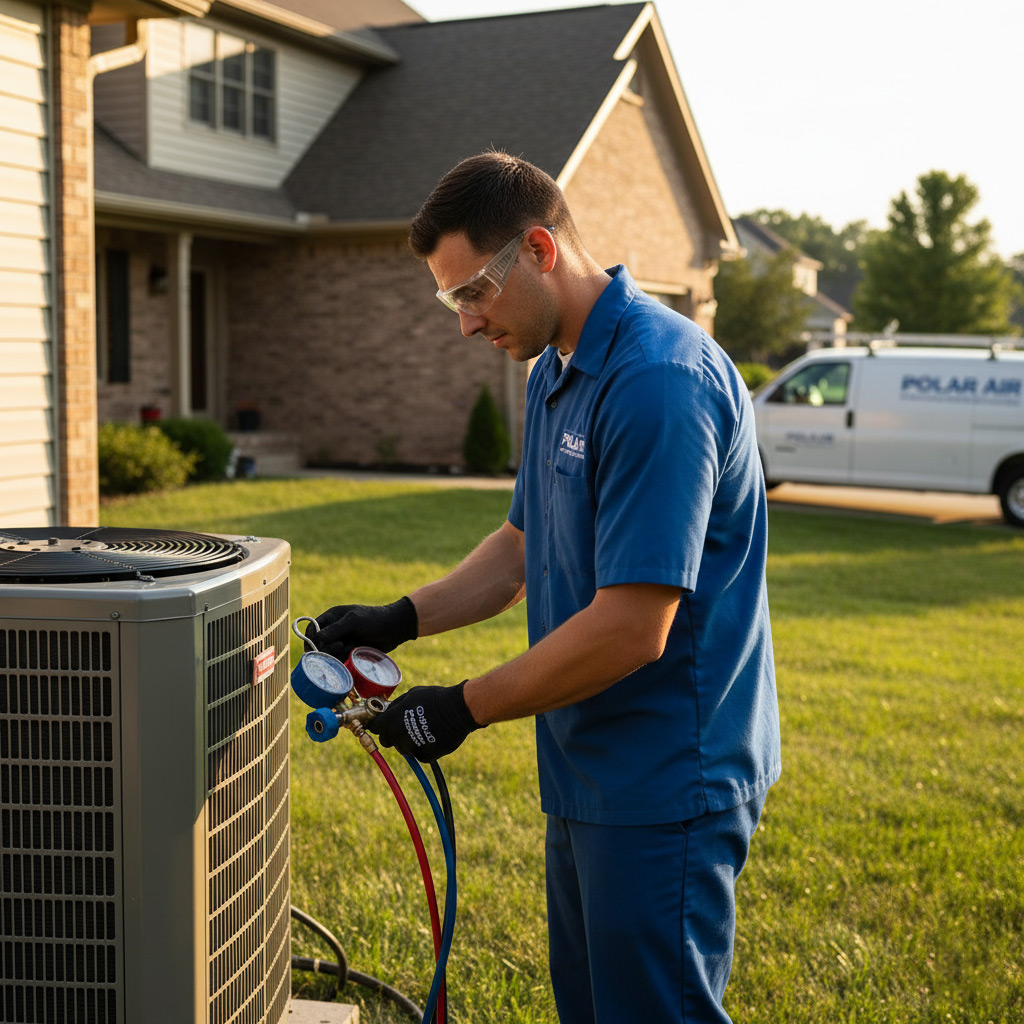
Selecting a Reliable Garland Boiler Repair Technician: What to Look For
Credentials that Matter
First thing—check the license. A valid Texas boiler contractor license proves the tech knows the code.
Next, verify insurance. You don’t want a surprise bill if something goes sideways.
- State‑issued license number – ask to see it.
- Liability and workers’ comp coverage – request proof.
- Certifications from manufacturers – a good sign they stay current.
Proven Track Record
Experience isn’t just years; it’s the kind of jobs they’ve handled in Garland’s climate.
Look for reviews that mention quick turnarounds and clean workspaces.
- 5+ years fixing gas‑ and oil‑boilers in North Texas.
- Local references – neighbors who can vouch for the tech.
- Positive ratings on Google, Yelp, or Angi.
Clear Pricing & Guarantees
Transparency saves headaches. A reputable tech will give a written estimate before lifting a wrench.
Guarantees show confidence. If the repair fails, they’ll come back—no extra charge.
- Flat‑rate diagnostics – no surprise hourly fees.
- Labor warranty – typically 12 months.
- Parts warranty – at least 90 days, often longer for major components.
The Fast‑Track Repair Process: From Diagnosis to Completion
Step 1: Quick Diagnosis
When the tech arrives, the first 30 minutes are all about pinpointing the fault. They fire up the boiler, listen for odd noises, and run a digital pressure check. Skip the guesswork—a handheld scanner tells them if the thermostat, pump, or gas valve is the culprit.
Step 2: Parts Procurement
Once the issue is clear, the crew pulls the exact part from their stocked inventory or orders it on the spot. No wandering to the warehouse, no “we’ll call you back” nonsense. Same‑day delivery is standard in Garland because the heat doesn’t wait.
Step 3: Fix & Test
With the part in hand, the technician swaps it out, tightens connections, and runs a full system test. They verify pressure, temperature, and safety shut‑offs before handing the controls back. A quick walk‑through shows you what was done and how to avoid the next surprise.
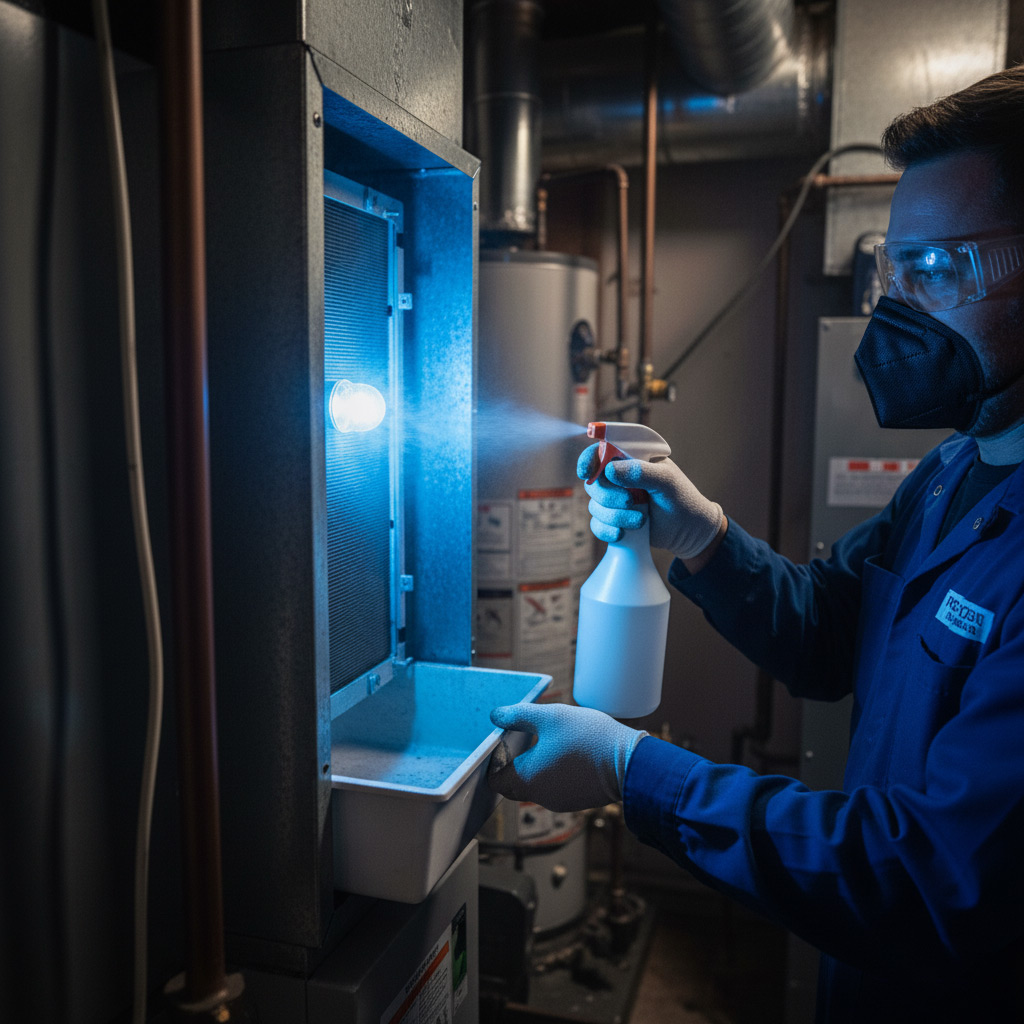
Proactive Maintenance Strategies to Extend Boiler Lifespan
Seasonal Check‑ups
Before the first frost hits Garland, give your boiler a once‑over. A quick visual scan for rust, loose wires, or water leaks can stop a small problem from blowing up later.
- Inspect the pressure gauge; keep it between 1.0 and 1.5 bar.
- Wipe away dust from the burners; a clean flame burns hotter and more efficiently.
- Test the safety valve – it should release pressure smoothly, not sputter.
Monthly Quick‑Wins
Set a calendar reminder for the first Saturday of every month. A few minutes of attention now saves hours of repair later.
- Bleed radiators to eliminate trapped air; you’ll feel the heat spread faster.
- Check the condensate drain for clogs; a blocked line can cause water damage.
- Replace the filter if it looks dark; a clean filter keeps the heat exchanger happy.
Partner with the Pros
Even the savviest DIYer needs a certified technician at least once a year. They have the tools to calibrate sensors and tighten hidden connections.
- Ask for a written service report; it becomes your boiler’s health record.
- Schedule a performance tune‑up before the heating season peaks.
- Ask about energy‑saving upgrades – a modern control board can shave 10‑15% off your bill.
Case Study: Rapid Boiler Restoration for a Garland Family Home
The Situation
A Smith family in north Garland woke up to a cold shower and a clanking boiler that wouldn’t fire. They were on a tight schedule—kids heading to school, a work‑from‑home dad, and a mortgage payment due.
The Action
Our certified tech arrived within 45 minutes, ran a quick visual scan, then tackled the problem in three decisive moves:
- Diagnosed a cracked heat‑exchanger seal that was leaking water into the combustion chamber.
- Replaced the seal and flushed the system to clear mineral buildup.
- Performed a pressure‑test and calibrated the thermostat for optimal performance.
The Result
Within 2 hours the boiler was humming cleanly, delivering hot water and steady heat. The Smiths saved over $300 in emergency fees and avoided a night‑long freeze.
- System efficiency jumped 15%.
- Warranty on the new seal extended for 2 years.
- Home comfort restored before the school bus left the driveway.
Final Words
When the heat dips, you don’t have time to guess. Grab a trusted Garland technician before the problem snowballs, and keep a short checklist on your fridge. A few minutes of awareness now saves hours of cold later.
Quick‑Reference Checklist
- Listen for hissing or clanking noises.
- Check the pressure gauge; stay between 1‑1.5 bar.
- Inspect the pilot light for a steady blue flame.
- Note any error codes on the digital display.
Keep these points handy and pair them with a reliable service like Boiler Repair.
People Also Ask
What are the most common boiler problems in Garland, TX?
Typical issues include a malfunctioning thermostat, low water pressure, and a cracked heat exchanger caused by hard water deposits. These problems often stem from age, lack of maintenance, or local water quality.How can I tell if my boiler needs repair before it completely fails?
Watch for uneven heating, strange noises, or a sudden rise in energy bills. Early signs like water leaks or error codes on the control panel indicate a repair is needed.What qualifications should I look for in a Garland boiler repair technician?
Choose a licensed HVAC professional with specific boiler certification and at least three years of local experience. Positive customer reviews and a clear warranty on repairs are also key indicators.Can regular maintenance really extend my boiler’s lifespan?
Yes, scheduled inspections, cleaning, and water‑level checks prevent wear and catch issues early, often adding 5‑10 years to a boiler’s service life. Skipping maintenance can lead to costly breakdowns.How quickly can a reputable Garland technician diagnose and fix a boiler issue?
A qualified technician can usually diagnose the problem within 30‑45 minutes of arrival and often complete common repairs the same day. More complex issues may require a follow‑up visit, but most homeowners see results within 24 hours.
Garland HVAC has served the Garland community for over 15 years, delivering reliable heating and cooling solutions. Their certified technicians combine local knowledge with industry expertise to keep homes comfortable year‑round. Committed to responsive service, they prioritize safety and energy efficiency for every project.
Need HVAC?
We deliver rapid, reliable solutions to homes and businesses in Garland, TX (75040‑75044) and neighboring areas, ensuring results are completed on schedule.
Request a fast quote