
Ever gotten a bill for an HVAC repair that made you wonder if the tech was charging for the air itself? In Garland, a simple oversight can turn a routine fix into a six‑figure nightmare.
Homeowners often fall into three traps: ignoring the warning signs, DIY‑ing without the right tools, and trusting the cheapest quote without checking credentials. Each one chips away at your budget before you even realize the damage is done.
Stick around and you’ll discover exactly what those costly mistakes look like and how to sidestep them, so your next repair stays under control and your wallet stays happy.
Recognizing Early Warning Signs of HVAC Trouble
When your system starts acting up, the clues are usually loud and clear—if you’re paying attention. A sudden spike in your energy bill or rooms that feel like a sauna while the rest of the house stays cool? That’s a red flag you can’t afford to ignore.
Sound Clues
Odd noises are the HVAC’s way of screaming for help. Listen for:
- Rattling that sounds like loose bolts.
- A high‑pitched whine that never fades.
- Click‑click‑click when the fan should be humming.
If any of these pop up, call a pro before the problem snowballs.
Performance Red Flags
Temperature swings and weak airflow are more than just annoyances. Watch for:
- Rooms that stay hot or cold despite the thermostat being set correctly.
- Air that feels stale or carries a musty odor.
- Short cycling—your unit turning on and off every few minutes.
These symptoms usually mean a component is failing, and delaying service can cost you thousands.
The Hidden Costs of DIY Repairs and Why Professional Tools Matter
Grabbing a wrench from the garage might feel like a win, but the price tag shows up later—often in the form of a busted compressor or a refrigerant leak. One cheap fix can turn into a full‑system replacement, and that’s money you’ll never get back.
Professional Tools vs. Household Tools
HVAC techs carry calibrated gauges, leak detectors, and torque wrenches that keep pressures in the sweet spot. Your screwdriver can’t read a manifold, and a guess‑work pressure test can over‑charge the system.
- Accurate diagnostics prevent unnecessary part swaps.
- Specialty tools avoid re‑charging refrigerant—a costly, regulated expense.
- Proper torque settings keep bolts from cracking, saving you from future leaks.
When a DIY Slip Becomes a Bill
Imagine you tighten a coil‑pack with a regular socket. The coil cracks, the unit overheats, and you’re left ordering a brand‑new coil—often $1,200 plus labor. That’s a hidden cost you never saw coming.
Even a small misstep, like using the wrong type of sealant, can corrode copper lines. The result? A leak that requires a certified technician to evacuate and recharge the system—another $500‑$800 hit.

How to Vet HVAC Contractors: Credentials, Reviews, and Pricing Transparency
Check the Credentials
First thing—make sure the tech is licensed in Texas and carries liability insurance. Without those papers, you’re gambling with your home.
Look for industry certifications like NATE or ACCA; they signal up‑to‑date training.
- License number (verify on the Texas Department of Licensing website)
- Proof of workers’ comp and general liability coverage
- Manufacturer certifications for your specific unit
Read the Reviews
Online ratings are a goldmine, but dig deeper than the star count. Real homeowners will mention punctuality, cleanup, and whether the tech explained the problem.
Ask the contractor for at least two recent references—people who had the same make and model repaired.
- Google My Business and Yelp for recent feedback
- Better Business Bureau for any complaints
- Word‑of‑mouth referrals from neighbors in Garland
Demand Pricing Transparency
A reputable HVAC pro will give you a written estimate before any work starts. No surprise fees, no guesswork.
Ask for a line‑item breakdown so you can see labor, parts, and any service fees side by side.
- Flat‑rate vs. hourly labor—know which you’re being charged
- Warranty on parts and labor—how long does it last?
- Any additional fees (disposal, travel, after‑hours) listed up front
Common Missteps During Repair Appointments and How to Avoid Them
Don’t Hide Behind the Door
When the tech arrives, be in the room. Seeing the work lets you catch shortcuts before they happen. If you’re out back mowing or in the bathtub, you’ll miss the moment the contractor tries to “save time” by using a cheap part.- Clear the work area – no toys, pets, or clutter.
- Stay within earshot – ask questions as they go.
- Take quick notes – a scribble can become proof later.
Speak the Same Language
Homeowners love to say “It’s just a fan” or “It’s probably the thermostat.” That vague description leads the tech to guess, and guesswork costs you. Give the exact model number, age of the unit, and any error codes you’ve seen.- Write down the make, model, and serial number.
- Share the last service date and what was done.
- Ask, “Will this fix affect my warranty?” and note the answer.
Seal the Deal Right
Never hand over cash before you have a written estimate that breaks down labor, parts, and taxes. A verbal “it’ll be $500” is a trap; the final bill can balloon with “unexpected” fees.- Request a detailed quote before work starts.
- Insist on a signed work order that lists parts and labor.
- Ask for a post‑repair checklist – what to watch for, when to call back.
Preventative Maintenance Strategies to Save Money Long‑Term
Seasonal Check‑ups
Garland’s weather swings demand a twice‑year audit of your system. One quick walk‑through in spring and another in fall can catch a loose belt or a clogged coil before they turn into a $1,000 repair.
Ask your tech to:
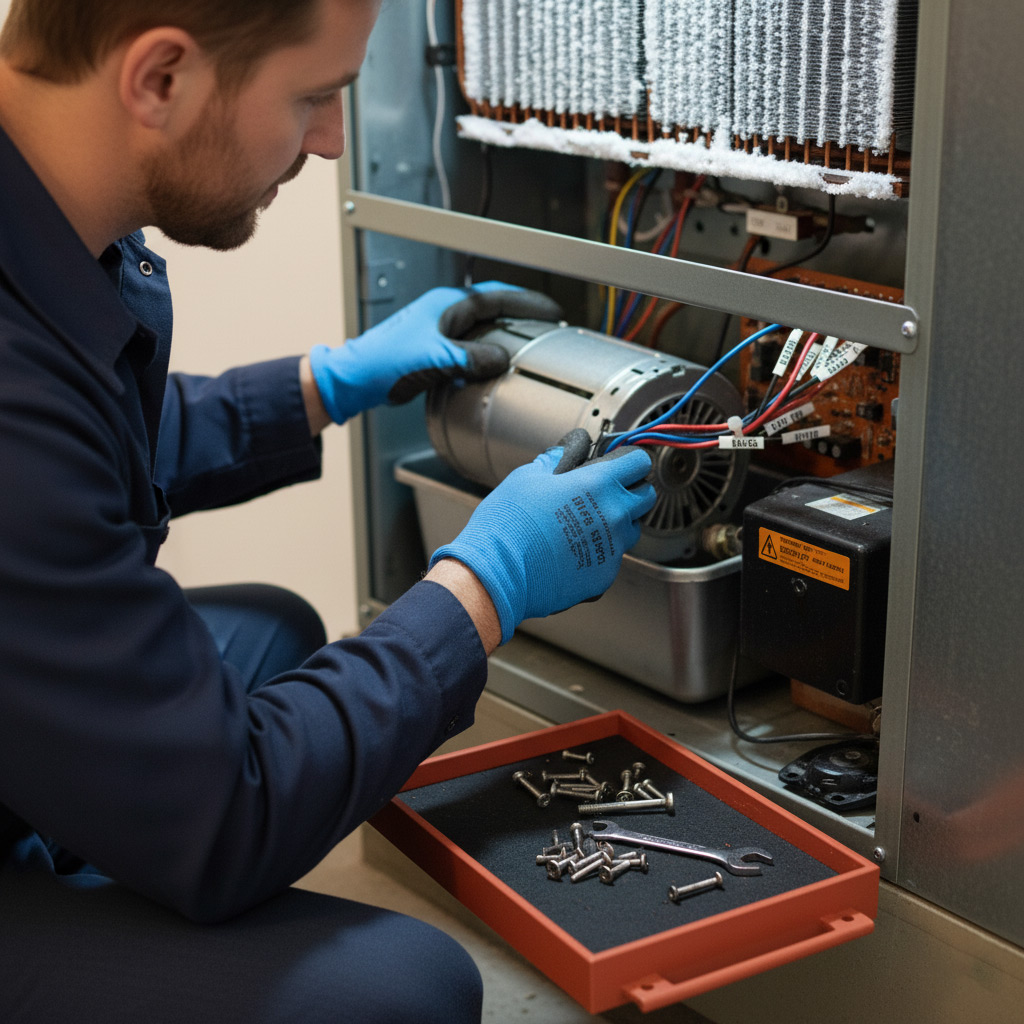
- Inspect the blower motor for wear.
- Verify refrigerant pressure is spot‑on.
- Test the safety controls for proper shut‑off.
Filter & Coil Care
Changing the air filter every 30‑45 days is the cheapest insurance policy you own. A dirty filter forces the unit to work harder, spiking your electric bill and wearing out the compressor faster.
Don’t stop at the filter. Schedule a coil cleaning at least once a year. Clean coils = better airflow = lower energy use. It’s a small task that pays big dividends.
Smart Service Contracts
Locking in a maintenance contract with a reputable Garland HVAC firm can shave off 15‑20% on parts and labor. The agreement usually includes priority scheduling, so you’re not left sweating in a heat wave.
Keep a log of every service call. When you have records, you have leverage. It helps you spot patterns, negotiate better rates, and avoid surprise fees.
Case Study: How a Garland Homeowner Saved $4,200 by Choosing the Right Repair Approach
Background
When the Miller family noticed their furnace sputtering on a chilly December night, they called the first contractor who quoted a $2,800 “full system replacement.” That price tag alone should have raised a red flag.
The Wrong Turn
Instead of a quick inspection, the tech ripped out the blower motor, ordered a brand‑new unit, and scheduled a two‑day install. The Millers were ready to sign the contract—until they asked for a written diagnostic report.
The report revealed a cracked heat exchanger and a clogged condensate line—issues that could be fixed with a targeted repair. The contractor’s “full replacement” would have added $3,500 in labor and parts they didn’t need.
The Smart Move
Armed with the report, the Millers reached out to a locally‑licensed HVAC service that offered a transparent, itemized quote:
- Heat exchanger repair: $1,200
- Condensate line cleaning: $150
- Labor (2 hrs): $300
The total? $1,650. That’s a $4,200 difference from the original estimate.
Result
The repair was completed in under three hours, the furnace ran cleanly for the rest of the winter, and the Millers avoided a needless system swap. Their takeaway? Demand a detailed diagnosis before signing any contract. A clear report can turn a potential six‑figure disaster into a modest, manageable fix.
Final Words
When you’re juggling a busy life in Garland, the last thing you need is an HVAC surprise that drains your bank account. Stay ahead of the curve by treating every odd sound or temperature dip as a red flag, not a minor inconvenience.
Quick‑Hit Checklist
- Listen for rattles, squeaks, or whines before they become full‑blown failures.
- Schedule a HVAC Repair visit at the first sign of trouble.
- Never attempt a fix without the right tools—your warranty and wallet will thank you.
Remember, the cheapest quote isn’t always the smartest move. A reputable contractor brings the right parts, the proper training, and the peace of mind that your system will run efficiently for years. Keep these habits in your toolbox, and you’ll keep the heat where it belongs—inside your home, not in your expenses.
People Also Ask
What are the early warning signs that my HVAC system needs repair?
Common signs include reduced airflow, unusual noises, inconsistent temperatures, and a sudden increase in energy bills. Ignoring these cues can lead to larger, more expensive problems later.Why is DIY HVAC repair more costly than hiring a professional?
DIY fixes often lack the proper tools and expertise, which can cause damage to delicate components. Additionally, incorrect repairs may void warranties and result in repeated service calls.How can I verify the credentials of an HVAC contractor in Garland, TX?
Check for a valid Texas HVAC license, insurance coverage, and certifications from reputable organizations like NATE. Reading online reviews and requesting references also helps confirm reliability.What mistakes should I avoid during an HVAC repair appointment?
Do not approve additional work without a written estimate, and avoid sharing personal passwords for smart thermostats with unverified technicians. Also, refrain from attempting to troubleshoot the system while the contractor is working.How does preventative maintenance reduce long‑term HVAC costs?
Regular filter changes, coil cleaning, and system inspections keep the unit running efficiently, lowering energy consumption. Early detection of wear prevents major component failures that are expensive to replace.
Garland HVAC brings over 15 years of residential and commercial climate‑control expertise to the Garland community. Their certified technicians specialize in efficient heating, cooling, and indoor‑air‑quality solutions tailored to local homes and businesses. Committed to reliable service, they prioritize prompt response and personalized care for every client.
Need HVAC?
We deliver rapid, reliable solutions to homes and businesses in Garland, TX (75040‑75044) and neighboring areas, ensuring results are completed on schedule.
Request a fast quote